


Ball Sort Puz - Color Game
4.813.47K Reviews
App Specs
- Version
- 2.8.0
- Updated On
- License
- Free
- Downloads
- 10,000,000+
- Developer
- Bluetile
- Categories
- Puzzle
- Platform
- Android
Screenshots
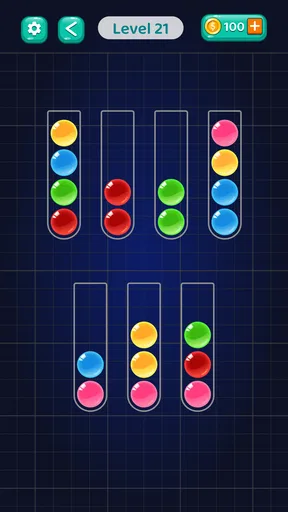
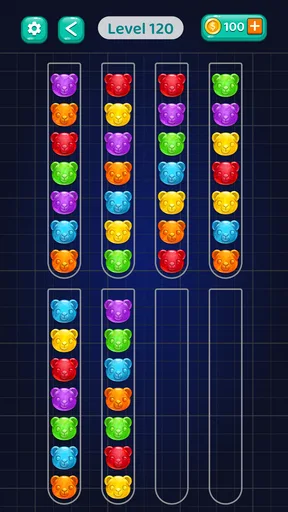
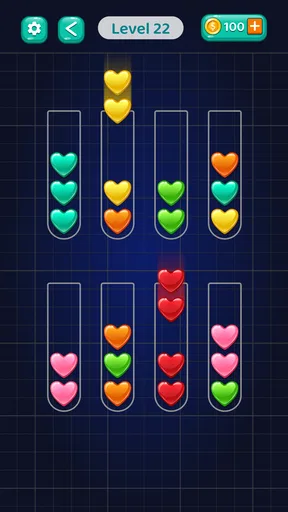
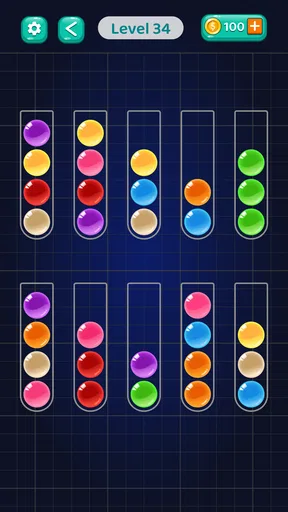
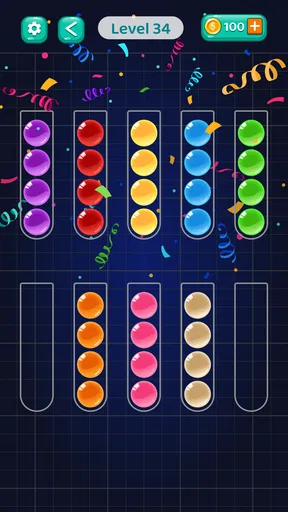


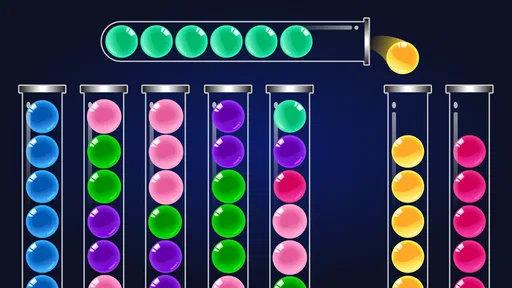
 Analysis by AppCompare
I found Ball Sort Puz - Color Game easy to understand within moments, but its simplicity is more carefully designed than the short store description suggests. It is a free puzzle game from Bluetile in which I move colored balls between bottles until each bottle contains the right color. That basic rule makes it approachable for casual players, while the limited space in each puzzle creates enough planning to keep the experience from feeling completely automatic.
What stood out to me most was how little explanation the game needs. I could begin sorting almost immediately, and the visual goal remained clear while I played. For anyone deciding whether this is suitable for a particular phone, it runs on Android 7.0 or later, is rated for Everyone, and the current version is 2.8.0. Those details make it a practical choice for people using older Android devices, although the experience still depends on how comfortably someone can see and tap the individual bottles.
How clearly the puzzle communicates what to do
I look at this section through a practical question: can someone understand the goal without having to stop and study instructions? The answer is largely yes, though recognizing a legal move is easier than seeing whether it will help later. That distinction leads into how the board’s visual cues support learning—and where color alone can make the message less clear.
Readable rules and a low-friction start
The central interaction is direct: tap a bottle to select it, then tap another bottle to move a ball when the move is allowed. I did not need a long tutorial to understand the relationship between the colors and the empty space. The board itself explains the objective better than a paragraph of instructions would. This is a real strength for players who prefer learning by doing, including people who find complex menus or multi-step onboarding tiring.
The visual structure also helps with navigation. The bottles form the main focus, so my attention naturally stayed on the puzzle instead of wandering through several layers of interface. That matters on a small screen, where excessive buttons can make a simple game feel crowded. Here, the decision-making area is obvious: I look at the bottle tops, identify a useful destination, and make the next move.
There is a useful distinction between understanding the game and solving it well. The first part is accessible; the second gradually asks for more concentration. A player can recognize a legal move quickly, but a legal move is not always a good move. I learned to pause before tapping because filling a bottle too early can remove the temporary space needed for a later color. That small change in habit makes the game feel more thoughtful without making the controls harder to learn.
Color is helpful, but it is also the main communication channel
The puzzle depends heavily on distinguishing one ball color from another. In good lighting, that is quick and natural. In dim surroundings, glare, a small display, or reduced color perception can make the board less comfortable to read. I would not describe the game as difficult to navigate, but I would describe it as visually dependent. Anyone who relies on patterns, labels, or strong non-color cues may need to test it personally before committing to long sessions.
Worth Reading Before You Choose

EA SPORTS FC Mobile 26 Is a Bigger Football Game, but It Takes Time

Flipboard Shows What News Apps Must Do Beyond the Feed

Switching to Android Auto Means Rethinking Your Driving Routine

Google Calendar Makes a Crowded Week Easier to Manage

Ludo King Makes the Most of the Minutes Between Plans

Baby Panda World Brings Quick Play to Modern Phones, but Its Game Library Feels Busy
This is one of the most important practical points for families. An Everyone rating tells me the content is broadly suitable, but it does not guarantee that every visual need is covered. A child or older adult who enjoys sorting by color may find it inviting, while someone who struggles to separate similar shades may become frustrated even though the rules themselves are simple.
I also noticed that the game rewards looking at the whole arrangement rather than staring at one bottle. Before making a move, I scan for completed groups, available empty space, and colors hidden below the top ball. That makes the board more readable when I treat it as a small planning diagram instead of a sequence of isolated taps. For a new player, my advice is to identify the empty bottles first; they are often more strategically important than the colors that appear most frequently.
Navigation for short attention spans
This is the kind of puzzle I can pick up while waiting for a bus, taking a short break, or winding down before sleep. The action is divided into small decisions, so I do not need to remember a story, a character build, or a complicated objective. If I put the phone down, I can usually return by reading the board again rather than reconstructing a larger game system.
That simplicity can also suit people who find fast games stressful. There is no need for quick reflexes in the basic sorting task. I can stop and think before each tap, which makes the game more comfortable than timed matching games or action puzzles. The trade-off is that players looking for constant novelty, dramatic progression, or a strong narrative may find the experience spare.
Motor, sensory, and situational access in everyday play
I focus here on what the game asks of a player beyond knowing the rules: seeing distinctions between balls, selecting bottles accurately, and finding a comfortable moment to play. A useful adjustment is to make the first few moves slowly and check whether the display remains easy to read in the player’s usual lighting. The sections that follow consider how those demands affect everyday access.
Why the tapping feels manageable
The controls ask for ordinary touchscreen taps rather than rapid swipes or precise drag paths. In my experience, that lowers the motor demand considerably. Someone with limited speed or who prefers deliberate movements may find this more approachable than a game that requires fast combinations. The important action is choosing two bottles in sequence, so the game gives me time to think rather than press under pressure.
Even so, “simple tapping” does not mean every interaction is effortless. The bottles still need to be selected accurately, especially when several are close together. A person with hand tremors, reduced fine-motor control, or difficulty holding a phone steady may occasionally tap the wrong container. I found that using both hands helps: one hand supports the device while the other makes the selections. Playing on a stable surface can also reduce accidental touches.
One non-obvious advantage is that the game’s strategic pace allows me to separate visual processing from physical action. I can first decide which color should move, then tap only after the plan is clear. That is less demanding than games where seeing and reacting must happen at the same time. For players who become overwhelmed by rapid feedback, this pause-friendly structure is likely more valuable than the basic rules alone suggest.
Comfort for different sensory preferences
The experience is primarily visual and interactive. There is no need to follow spoken instructions to understand the puzzle, which can be helpful in quiet public places or for players who prefer not to rely on audio. I can focus on the bottles and make progress without treating sound as part of the solution.
On the other hand, players who need strong audio cues, tactile confirmation, or non-visual alternatives may find the game less suitable. The core challenge is represented through colored balls and bottle positions, so the screen remains essential. I would especially recommend checking the first few puzzles in the intended environment rather than assuming that a simple interface will automatically work for every sensory preference.
Brightness and viewing angle matter more here than they do in a text-heavy puzzle. I get the clearest reading when the phone is held directly in front of me and the display is not fighting sunlight or reflections. In a darker room, lowering brightness may make the screen easier on the eyes, but too much reduction can make color differences harder to judge. That balance is worth adjusting before deciding that the game is uncomfortable.
Where it fits during a normal day
I see three especially good everyday uses. First, it works as a short waiting-room game because a single decision can be made in seconds. Second, it offers a calm alternative to scrolling when I want something mildly engaging but not emotionally intense. Third, it can be useful for a parent and child who want to discuss planning together: one person can suggest a move while the other taps, turning a solo puzzle into a quiet shared activity.
It is less appropriate when the phone is being used while walking, commuting through a crowded space, or doing another task that requires attention. The puzzles are not physically demanding, but they do reward looking carefully at the complete arrangement. I would not treat it as background entertainment while crossing streets, cooking, or supervising something important.
It also suits older hardware better than many visually elaborate games because the concept does not depend on a large world or complicated controls. Still, an older phone may have a smaller display, and that can affect the ease of selecting bottles. The minimum operating system is Android 7.0, so compatibility is reasonably broad, but comfortable play is a separate question from simply being able to install it.
How I approach a difficult board
My most useful technique is to protect empty space. I avoid filling a bottle simply because the matching color is available. Instead, I ask whether that bottle might be needed as a temporary holding place. This is the point where the game becomes a planning puzzle rather than a color-matching exercise.
A second helpful habit is to expose hidden balls gradually. If I move the top ball from one bottle without considering what it reveals, I can create a worse arrangement. I prefer moves that either complete a useful group, uncover a strategically important color, or preserve more than one future option. That approach reduces the number of times I have to undo a careless sequence.
When I feel stuck, I stop trying to solve the entire board in my head. I choose one color and trace where it could eventually go, then check whether the required empty space can be maintained. This narrows the problem and is easier for players who find a full-screen arrangement visually tiring. It also makes the game feel less like guesswork.
Where the usual puzzle alternatives may be better
Compared with match-three games, this title is calmer and more deliberate. There is no need to chase a chain reaction or react before the board changes. That makes it a better fit for someone who wants controlled planning, but a poorer fit for anyone who enjoys spectacle, quick rewards, or constant board movement.
Compared with crossword or word puzzles, it avoids language barriers and spelling demands. A player does not need advanced vocabulary to participate. The trade-off is that color recognition becomes more important than reading ability. Someone who wants a puzzle that can be solved through letters, clues, or logic symbols may find a non-color-based alternative more dependable.
Compared with classic number puzzles, the rules here are easier to grasp at first, but the visual arrangement can become harder to scan as the board grows more complicated. Number puzzles often provide fixed symbols that remain distinct in poor lighting; this game asks me to compare colors repeatedly. For a player with strong visual sorting skills, the bottle format feels inviting. For someone who prefers explicit symbols, another puzzle category may be more comfortable.
Remaining barriers, value, and who should choose it
I weigh the game’s approachable entry against the specific needs that can make its color-led, tap-based play less comfortable. The free start makes a brief personal trial sensible, while the in-app purchase range is worth considering before spending. From there, I’ll identify the kinds of players likely to enjoy the focused sorting challenge and those better served by another puzzle style.
The free entry point and its trade-offs
The game is free to start, which removes the biggest barrier for someone who simply wants to try the sorting mechanic. It has an average rating of 4.8 from around 541 thousand ratings, and its reach is reflected by more than 10 million installs. Those figures suggest that the format has connected with a large audience, although popularity should not replace personal testing, especially for players with specific visual or motor requirements.
There are in-app purchases ranging from $0.99 to $21.99 per item. That is worth keeping in mind even if the basic entry cost is zero. I would approach the game with a clear personal rule: play the free experience first, decide whether the puzzle itself is enjoyable, and only then consider whether any optional purchase is worthwhile. Players who dislike monetized puzzle games should be cautious, because the presence of purchases can be a source of friction even when the core activity is appealing.
The age rating is Everyone, which makes the game easy to consider for mixed-age households. I still would not assume that every child will enjoy it. A child who likes sorting, patience, and visual planning may stay engaged, while one who expects animated characters or rapid rewards may lose interest quickly. The same distinction applies to adults: this is a focused little puzzle, not a broad entertainment package.
Who may want to skip it
I would hesitate to recommend it to someone who needs audio-led gameplay, strong non-color identifiers, or very large interaction targets. I would also steer away from it for players who want a story, social competition, or a constantly changing challenge type. The bottle-sorting idea is the entire appeal, and repetition is part of its identity rather than a temporary phase before a different genre appears.
People who are prone to frustration after one mistake should also know that planning matters. A move can look correct and still leave the board in a difficult state. I enjoy that consequence because it gives each tap weight, but it may feel restrictive to someone who wants to experiment without penalty. This is a game for patient trial and adjustment, not for mindless tapping.
There is also a situational barrier for anyone playing on a very small phone or in bright outdoor light. The rules remain understandable, but the visual comparison between balls may require more effort. If the intended player already experiences eye strain, I would test the game briefly with comfortable brightness and a steady viewing position before recommending it as a regular pastime.
My inclusive verdict
Ball Sort Puz - Color Game is a strong choice when you want a quiet, visually direct puzzle that can be played in short sessions. I like that the rules are approachable, the controls do not demand speed, and the planning can be adjusted to the player’s own pace. Its best accessibility quality is not a special feature I can point to, but the way the central task lets me look, think, and tap separately.
Its limitations are equally clear. Color carries much of the information, the screen must be read carefully, and the game does not naturally serve players who need audio or non-visual alternatives. The proximity of bottles may also challenge precise tapping on smaller displays. Those are not reasons to reject it for everyone; they are reasons to judge the experience by the intended player’s eyesight, motor comfort, and preferred way of receiving feedback.
For me, the best use is a few thoughtful rounds during a break, with the empty bottles treated as strategic resources rather than spare containers. That small insight prevents many avoidable mistakes and gives the simple format more depth. Bluetile has made a puzzle that is easy to enter but not entirely mindless, and I would recommend it to friends who enjoy calm visual sorting, as long as they are comfortable relying on color and do not expect a more varied game around it.
Pros
- Simple drag-and-drop controls are easy for beginners to understand.
- Short levels make it convenient for quick breaks or casual play.
- Colorful visuals make the tubes and balls easy to distinguish.
- Undo options can help recover from an accidental move.
- Works well as a relaxing
- low-pressure puzzle experience.
Cons
- Later puzzles can feel repetitive because the core mechanic rarely changes.
- Some levels may require restarting after a single poorly planned move.
- Ads can interrupt play
- especially between completed puzzles.
- The small objects may be harder to select accurately on compact screens.
- Limited variety may reduce long-term appeal for experienced puzzle players.
FAQs for Ball Sort Puz - Color Game
What is Ball Sort Puz - Color Game and how is it played?
Ball Sort Puz - Color Game is a color-matching puzzle in which you move colored balls between tubes until every tube contains balls of only one color. The rules are simple, but later stages require careful planning because tubes have limited space and some moves cannot be undone easily. It is designed for short sessions, although challenging levels can take considerably longer to solve.
Is Ball Sort Puz - Color Game free to download and play?
The game can generally be downloaded and played without an upfront purchase, but the free experience may include advertising and optional in-app purchases. Ads can appear between levels or when using certain helpful features, depending on the version and device. Before downloading, check the current store listing for pricing, available purchases, and whether an ad-free option is offered.
Does the game work without an internet connection?
Ball Sort Puz - Color Game is primarily a single-player puzzle experience, so many of its core levels can usually be played offline after installation. However, advertisements, rewards, synchronization, updates, and some online services may require an internet connection. Offline availability can vary by version, so it is worth testing the game in airplane mode if uninterrupted play is important to you.
Are there hints, undo options, or ways to recover from a mistake?
Most versions of this type of ball-sorting puzzle provide assistance such as undo moves, level resets, extra tubes, or hints. These tools can make difficult stages more manageable, but their availability and cost may differ between releases. Since a poor move can block the remaining solution, beginners should use the undo function carefully and consider restarting a level rather than spending resources unnecessarily.
Is Ball Sort Puz - Color Game suitable for children and all players?
The basic mechanics are easy to understand and do not require fast reactions, making the game suitable for casual players and older children. Nevertheless, some levels become quite demanding and may require patience, logical thinking, and trial and error. Parents should review the app’s age rating, advertising, privacy information, and in-app purchase settings before allowing younger children to play.


